
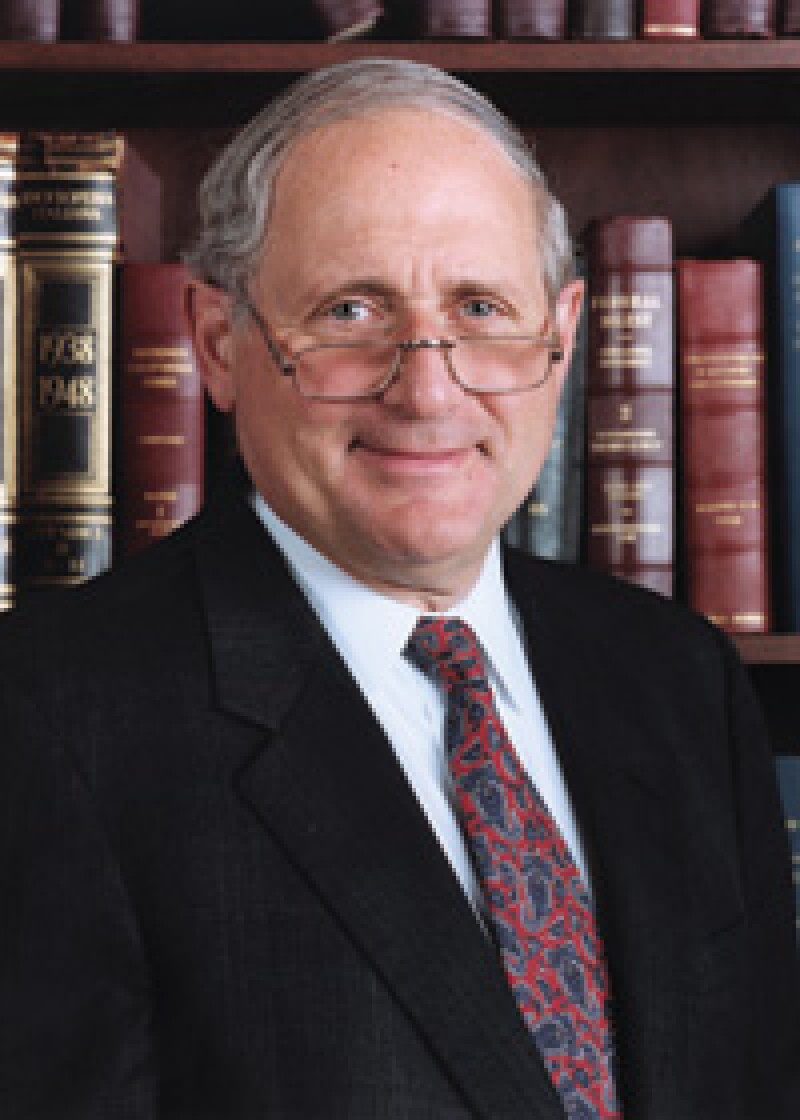
Carl Levin is due to retire in 2015. He has been Michigan’s senior senator since 1995 and in that time his influence on taxation has been profound and far-reaching. He has initiated the Stop Tax Haven Abuse Act, introduced the Levin-Grassley Bill (Incorporation Transparency and Law Enforcement Assistance Act) aimed at shoring up tax information reporting efforts to prevent money laundering and tax evasion by requiring states to obtain beneficial ownership information, as well as producing or commissioning various reports including one from the Government Accountability Office in July this year, which showed that effective tax rates for American companies are well below the top statutory rate of 35%.
But his most notable influence on the world of taxation in the past 12 months has been in pulling Apple representatives before the Senate’s Permanent Subcommittee on Investigations.
In May, Levin grilled Apple executives including Tim Cook, chief executive officer (and Global Tax 50 entrant alongside Google’s executive chairman Eric Schmidt; and pulled no punches in doing so.
“Apple wasn’t satisfied with shifting its profits to a low-tax offshore tax haven,” said Levin. “Apple sought the Holy Grail of tax avoidance. It has created offshore entities holding tens of billions of dollars, while claiming to be tax resident nowhere. We intend to highlight that gimmick and other Apple offshore tax avoidance tactics.”
Corporate tax issues have been something of a family affair for the Levins. Brother Sander, the ranking member on the House Ways & Means Committee, which he chaired from 2010-11, appeared in the 2010 and 2011 versions of International Tax Review’s Global Tax 50, where he was recognised for working diligently to put the US economy and tax market back on the map.
Testament to the longevity of the family’s impact, Carl also appeared in last year’s list, which noted his long history of opposition to tax havens and doggedness in ensuring the issue of offshore tax evasion caught the attention of the media and wider public.
The Global Tax 50 2013 |
||
|---|---|---|
Armando Lara Yaffar |
Tizhong Liao |
|







