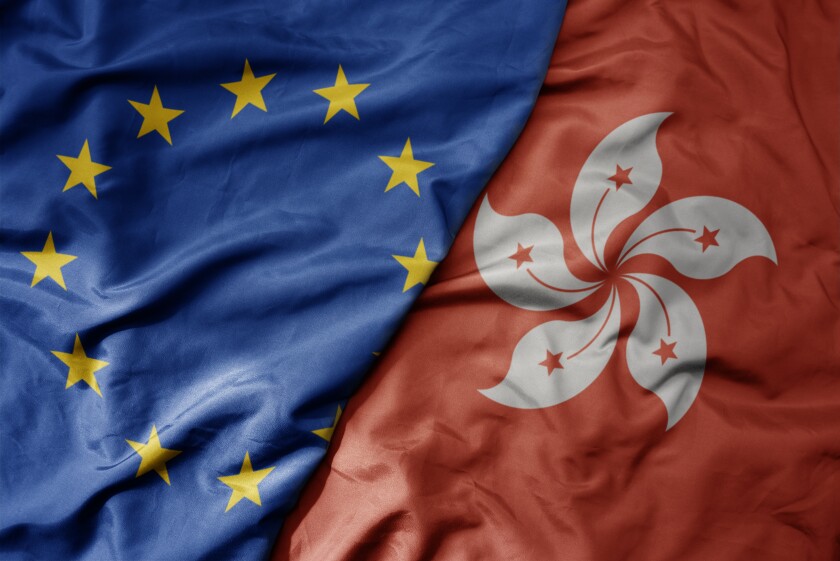
On February 20 2024, the EU released an updated list of non-cooperative jurisdictions for tax purposes.
It is encouraging to see that Hong Kong SAR has been removed from the grey list (i.e., Annex II of the list of non-cooperative jurisdictions for tax purposes) after the implementation of the expanded foreign-sourced income exemption (FSIE) regime to cover foreign-sourced asset disposal gains in Hong Kong from January 1 2024. For more details on the expanded FSIE regime in Hong Kong, please see the article KPMG China published in January 2024.
Five other jurisdictions (Albania, Aruba, Botswana, Dominica, and Israel) were also removed from the grey list. Malaysia remains on the grey list. According to the EU Council conclusion, Malaysia has committed to amending or abolishing its FSIE regime and demonstrated tangible progress in 2022 and 2023, and was granted until March 31 2024 to adapt its legislation regarding the treatment of capital gains.
In addition, four jurisdictions were removed from the blacklist (i.e., Annex I of the list of non-cooperative jurisdictions for tax purposes); namely, the Bahamas, the Turks and Caicos Islands, Belize, and the Seychelles. The EU now considers the Bahamas to be in compliance with the economic substance requirements for jurisdictions with no, or only a nominal, corporate income tax.
The updated blacklist now contains 12 jurisdictions, whereas the grey list includes 10 jurisdictions.
KPMG observations
KPMG welcomes the removal of Hong Kong from the EU’s grey list. It serves as a recognition of the Hong Kong government’s efforts in complying with the latest international tax standards and ensuring the FSIE regime in Hong Kong is not a harmful tax regime based on the EU’s latest requirements. The removal should also have a positive impact on consolidating Hong Kong’s status as an international financial centre and a sustainable market for investment.
On the other hand, with the implementation of the expanded FSIE regime in Hong Kong and the upcoming introduction of the global minimum tax/domestic minimum top-up tax in Hong Kong from 2025, multinational groups operating in Hong Kong need to carefully consider their business structures and operations for tax purposes and get prepared for the resulting increased complexity in their tax compliance obligations.